
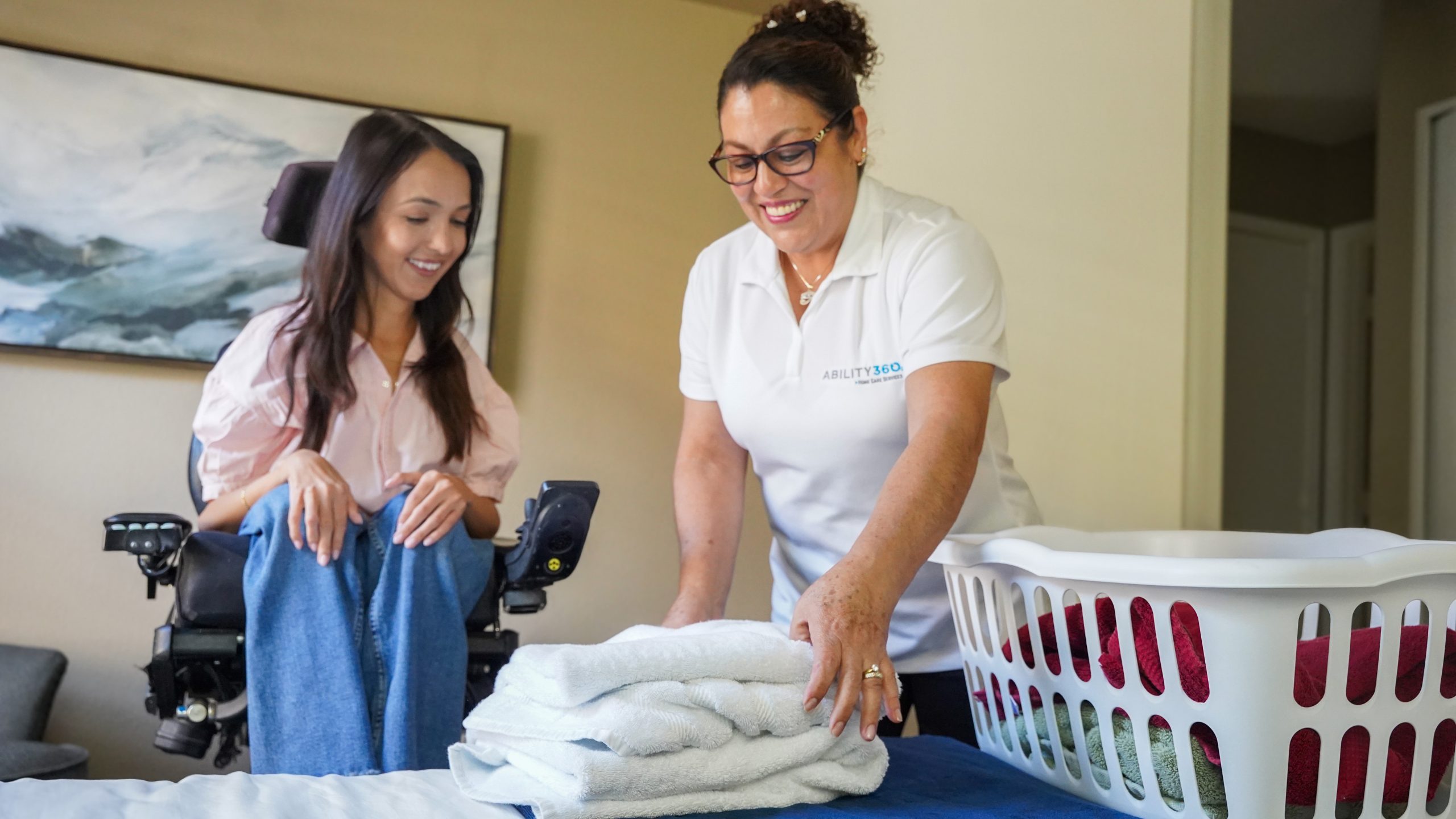
Making choices about care isn't always easy. Many factors are taken into account, including one's financial situation, medical condition, family availability, and much more. It’s important to navigate the next steps that are best for you and your loved one long-term, and choosing in-home care could be right for you.
What is In-Home Care?
In-home care helps individuals who need assistance with daily activities while remaining in their own home. In-home care recipients are usually seniors, individuals with disabilities, or those who are recovering from an illness or surgery. Services provided by in-home caregivers depend on the individual's needs but can include cleaning, meal prep, dressing, running errands, and companionship. Caregiver visits can range from a few hours a day to around-the-clock care, making it more flexible than other alternatives.
What are the Benefits of In-Home Care?
- Choice. In-home care offers more freedom to care for recipients instead of being confined to just one schedule. The care is more customizable, and you have more control over the care provided. Care recipients set the rules for their own care. This often allows care recipients to have more independence in a daily schedule. Familiar surroundings and routines can help reduce stress and maintain a sense of identity for the care recipient.
- Personal Care. Caregivers are aware that not all care recipients need the same kind of care and attention. Home care recipients receive one-on-one care from caregivers, making care specific and tailored to you.
- Community Connections. Receiving care in the home gives the chance to stay active in your community. This helps care recipients stay in the loop and not feel so isolated from the outside world.
- Cost Effectiveness. According to AARP, home care tends to cost less money than typical institutional facilities. Unlike fixed-rate facilities, home care allows families to pay for the services required. This also eliminates possible costs of moving and storage of personal belongings, since the care recipient is staying in the same place.
- Family Involvement. Families don’t have to worry about visiting hours. Families can visit anytime they want and also play a big role in the overall care plan. Care can also be provided in the home by family caregivers, adding that sense of comfort and familiarity for care recipients.
- Lower Risk of Illness. Staying at home limits potential exposure to contagious illnesses that could spread in an institutional setting. This could be dangerous, especially for those with weakened immune systems.
Check out Ability360’s Home Care Services for more information. We offer personalized and reliable care and support for people with disabilities and seniors.